- Client-Centered Therapy
- Cognitive Behavioral Therapy
- Gottman method work
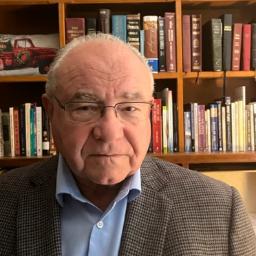
About Bruce
Rev. Bruce Carpenter is an LPC - Licensed Professional Counselor in Texas with 11 years of clinical experience. He works with people facing relationship strain, trauma and abuse, grief, parenting challenges, anger, stress, anxiety, depression, and related life changes. He also addresses caregiver stress, codependency, first responder issues, and men's concerns.
He brings a background that includes ministry, emergency medical work, and counseling education. He holds a Master of Divinity from Brite Divinity School at Texas Christian University and a Master of Education in Counseling from the University of North Texas, Dallas. He has worked part-time at a Child Advocacy Center supporting children, teens, and non-offending adult caregivers.
In sessions he listens closely and helps people identify what keeps a problem repeating. He uses straightforward conversation to help clients notice patterns, name feelings, and try new behaviors. Practical tools from cognitive approaches are used to change unhelpful thoughts and reactions.
Bruce also draws on relationship work to address conflict and repeated cycles between partners. He has experience with trauma-focused interventions and has worked with veterans and in crisis response roles. Those elements inform how he approaches anger, grief, and post-trauma responses.
Clients can expect a counselor whose background includes ministry and emergency services alongside formal counseling training. He aims to help people gain steadier day-to-day functioning, clearer boundaries, and more workable ways to respond when anger or stress rises. Sessions focus on steps people can try between meetings to practice different responses.
How therapeutic approaches translate to online work
Client-centered therapy focuses on listening and following what the client brings. That approach helps people talk through anger triggers, priorities, and what they want to change. It is useful for building trust and deciding which steps to try next.Cognitive Behavioral Therapy, or CBT, looks at the link between thoughts, feelings, and actions. It gives clear exercises to test and shift unhelpful thoughts that fuel anger. CBT works well for stress, anxiety, rumination, and repetitive reactions that lead to outbursts.
Trauma-focused therapy pays attention to how past events shape current responses. When anger is tied to trauma, this approach helps identify triggers and develop safer ways to respond over time. It can be combined with practical skills from CBT and relationship work.
Choosing an approach is collaborative. The therapist will help figure out the best fit based on the client's goals, needs, and preferences. Expect adjustments as work progresses and new priorities emerge.
The biography does not specify which online formats are provided, so confirm the session options before booking. Online sessions can make it easier to fit meetings into a busy week, allow shorter check-ins when time is tight, and reduce travel time. If a client prefers not to be on camera, some online options may require less video and are more focused on conversation.
Areas of expertise
Primary focus
Also works with
Additional focus areas
Therapeutic approaches
Experience
11+ years
Listed in
Texas
Languages
English
Frequently asked questions
What concerns does he address related to anger?
He works with anger that arises in relationships, at work, and from past trauma. Other related concerns include grief, stress, resentment, and parenting strain.
What is his general approach in sessions?
He practices client-centered work and uses cognitive and trauma-focused techniques. Sessions focus on listening, identifying patterns, and trying practical steps to change reactions.
How long has he been practicing?
He has 11 years of experience in counseling and related roles, including work with a Child Advocacy Center and volunteer roles in emergency services.
What are his credentials and where is he based?
He is an LPC - Licensed Professional Counselor in Texas and practices from that state.
Does he offer sessions in other languages or internationally?
Sessions are offered in English and he accepts international clients.
Which session formats are available?
The original biography does not list specific session formats. Confirm the current session options before booking.
How does pricing work?
Cost varies with location and sessions use a subscription that can be canceled at any time.
What do I do to start a first session?
Use the See online therapy options button, complete a short matching questionnaire, and schedule a first session.