- CBT techniques
- Mindfulness skills
- Solution-focused work
About Challis
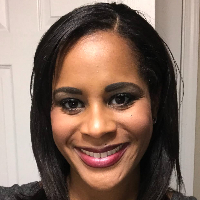
Challis Russell is a Licensed Professional Counselor (LPC) and Licensed Clinical Mental Health Counselor (LCMHC) with five years of clinical experience based in South Carolina. She supports people dealing with stress, anxiety, relationship strain, anger, depression, addictions, and other life changes. Sessions are conducted in English and international clients are accepted.
She uses straightforward conversation to clarify what is causing friction in daily life. Sessions often focus on practical steps to reduce reactivity, improve communication, and manage strong feelings. Cognitive Behavioral Therapy (CBT) tools are used to spot unhelpful thinking and test healthier responses. Mindfulness practices are introduced to help people notice tension before it escalates.
Her background includes a master’s degree in clinical counseling from Johns Hopkins University. Challis has experience with a wide range of concerns including trauma and abuse, family and attachment issues, adoption and foster care, and intimacy-related problems. She also addresses challenges like impulsivity, guilt and shame, codependency, and coping after separation.
In sessions she draws on Client-Centered and Solution-Focused Therapy to set clear goals and build on strengths. That means conversations are practical and goal-directed while also making room for the person’s values and preferences. Work may include setting small behavior changes, practicing different ways of speaking, and tracking what helps in real life.
To begin, potential clients complete a short matching questionnaire and schedule a first session. The service uses a cancellable subscription model, and fees vary with location.
How therapeutic approaches are used in remote sessions
Challis commonly integrates Cognitive Behavioral Therapy and Mindfulness Therapy in online work. CBT involves identifying unhelpful thoughts, testing them against reality, and practicing alternative responses to reduce reactivity and improve mood. Mindfulness Therapy teaches simple awareness practices to notice rising anger and choose calmer reactions, which can help with stress and impulsivity.She also uses Client-Centered and Solution-Focused ideas to shape sessions. That means deciding together what to work on, setting clear short-term goals, and tracking small changes. The therapist and client collaborate to find which mix of techniques fits the person’s goals and daily life.
If you want to use online sessions, confirm the exact formats available before booking. This profile does not list specific session types, so check current options when you sign up. Online work can make it easier to fit sessions into a busy week, allow shorter check-ins when needed, and reduce travel time so therapy is easier to keep up with.
Areas of expertise
Primary focus
Also works with
Additional focus areas
Therapeutic approaches
Experience
5+ years
Listed in
South Carolina, North Carolina
Languages
English
Frequently asked questions
What kinds of anger-related difficulties does she address?
She works with people who lose their temper with close others, struggle with workplace frustration, hold growing resentment, or live with someone else’s anger.
What style of therapy should I expect?
Sessions combine Client-Centered, Cognitive Behavioral, Mindfulness, and Solution-Focused approaches to keep talks practical and goal-oriented.
How much experience does she have?
She has five years of clinical experience since completing a master’s degree in clinical counseling at Johns Hopkins University.
What are her credentials and where is she based?
She holds LPC and LCMHC credentials and practices from South Carolina.
Can I work with her if I live outside the United States?
International clients are accepted and sessions are offered in English.
Which session formats are available?
Session formats are not specified here; please confirm current session options before booking.
How are fees handled?
Costs vary with location and sessions use a subscription that can be canceled at any time.
What are the first steps to start working together?
Select the See online therapy options button, complete a short matching questionnaire, and schedule a first session.