- CBT methods
- Mindfulness practice
- Narrative work
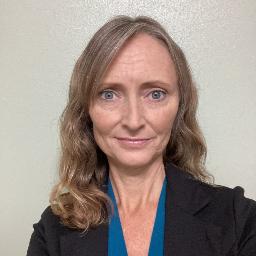
About Maggie
Maggie Johnson is an LPCC (Licensed Professional Clinical Counselor) based in Minnesota with nine years of clinical experience. She works with adults dealing with stress, anxiety, anger, depression, bipolar disorder, substance use, trauma, relationship concerns, grief, and issues around sleep and eating. Maggie also helps people coping with career change, parenting strain, compassion fatigue, and other life transitions.
Her approach blends cognitive behavioral ideas with client-centered conversation. That means she works with people to notice thoughts and behaviors that increase distress and then tries out different ways of responding. Sessions tend to be practical and focused on what the person wants to change or manage differently.
Maggie uses mindfulness practices to help calm reactivity and build clearer awareness of emotions. She also draws on narrative and motivational interviewing techniques to help people separate themselves from painful stories and find the motivation to try new steps. The work often involves short experiments between sessions to test what helps.
In session she pays attention to relationships and how they affect mood and behavior. People who struggle with anger often look at patterns of triggers, communication habits, and ways to reduce buildup. The goal is better control over reactions and clearer ways to express needs without causing more conflict.
Her style is straightforward and problem-focused. New clients start by describing their current struggles and goals, and then together they plan concrete steps to practice between sessions.
How her approaches work in online sessions
Client-Centered Therapy means sessions focus on the person and their goals. The therapist listens, reflects, and helps people decide what changes matter most. Cognitive Behavioral Therapy (CBT) looks at thoughts and behaviors that keep problems going and tests practical alternatives through small experiments. Mindfulness Therapy teaches simple attention practices to notice emotions and reduce reactivity; it can be useful for anger, anxiety, and sleep difficulties.Choosing an approach is a collaborative process. Maggie will work with each person to identify goals and try methods that fit their preferences and situation. That may mean mixing CBT tasks, mindfulness exercises, and narrative conversation until something feels useful.
Session formats are not specified in the original biography, so confirm current options before booking. Online work can make it easier to fit sessions into a busy week, allow shorter check-ins when needed, and remove travel time. Many people use remote sessions to practice skills between meetings and to bring real-life situations into conversation without rearranging their whole day.
Areas of expertise
Primary focus
Also works with
Additional focus areas
Therapeutic approaches
Experience
9+ years
Listed in
Minnesota
Languages
English
Frequently asked questions
Which concerns does she help with?
She works with stress, anxiety, anger, depression, bipolar disorder, addictions, trauma, relationship and family problems, grief, and related issues listed in her profile.
What is her therapeutic style?
Her work is practical and client-centered, using cognitive behavioral ideas, mindfulness, narrative approaches, and motivational interviewing to try new ways of responding.
How much experience does she have?
Maggie has nine years of clinical experience as an LPCC working with a range of mood, behavioral, and relationship concerns.
What credentials and location are listed?
She is an LPCC licensed in Minnesota and practices from that state.
Which languages are supported?
Sessions are offered in English.
Does she work with international clients?
She does not accept international clients at this time.
How are sessions paid for?
Cost varies with location and sessions use a subscription that can be canceled at any time.
How do I get started?
Select the See online therapy options button, complete a short matching questionnaire, and schedule a first session.