- Anger and resentment
- Attachment focused
- Mindfulness methods
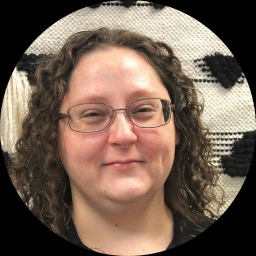
About Margaret
Margaret Carr is a Florida-licensed mental health counselor (LMHC) with nine years of professional experience. She works with people dealing with anger, relationship strain, low self-esteem, ADHD-related focus problems, addictions, grief, and other life changes. Sessions are conducted in English and are aimed at practical change rather than theory.
Margaret helps people talk through what keeps them stuck. She listens for patterns from attachment history and life stresses. She uses narrative ideas to help people spot unhelpful stories they repeat about themselves and others. She also draws on mindfulness practices to reduce reactivity and improve attention in the moment.
Her approach is client-centered. That means she starts from the person in front of her and adjusts the conversation to suit their goals. She uses solution-focused techniques to set small, reachable steps. She will also include existential questions when people want to explore meaning, values, or big life choices.
Margaret has worked across a range of concerns related to identity, intimacy, and control issues. She can help someone who gets angry with partners, colleagues, or themselves to notice triggers and try new responses. She also supports people coping with trauma, chronic illness, caregiving stress, and changes that bring grief.
When someone first reaches out they complete a short questionnaire and schedule a session. Margaret and the client then map out practical goals and simple tools to practice between sessions. Costs vary by location and sessions use a subscription that can be canceled at any time.
How her approaches translate to online sessions
Attachment-based work looks at how past relationships shape present reactions. In practice this means noticing patterns of trust, withdrawal, and how attachment fears show up in arguments or avoidance. Client-centered work focuses on the person's perspective and priorities, letting the therapist follow what matters most to the client and adjust the pace accordingly. Narrative therapy helps people rewrite problems that feel fixed by separating the person from the issue and testing new stories about themselves.Finding the best approach is collaborative. Margaret will review goals and try methods together with the client, adjusting what they do if something isn't helpful. That can mean shifting from practical skills work to deeper existential questions over time, depending on what the client wants.
Session formats are not listed in the biography, so confirm current online options before booking. Online work can make it easier to fit therapy into a busy week, allow shorter check-ins when needed, or remove commute time so sessions are more practical. It can also make it simpler to use mindfulness practices and behavior experiments between meetings. Margaret will discuss how to structure sessions so they fit the client's schedule and needs.
Areas of expertise
Primary focus
Also works with
Additional focus areas
Therapeutic approaches
Experience
9+ years
Listed in
Florida
Languages
English
Frequently asked questions
What kinds of anger-related problems does she help with?
She works with anger linked to relationships, workplace frustration, built-up resentment, and reactions to trauma or loss.
How would she describe her therapy style?
She uses a client-centered style that adapts to each person and includes narrative, mindfulness, and solution-focused work.
How much experience does she have?
Margaret has nine years of professional experience as a clinician.
What are her credentials and where is she based?
She is an LMHC licensed in Florida and works with clients who are located in that region.
Which languages are supported?
Sessions are offered in English.
Can international clients book sessions?
International clients are not currently accepted.
How does payment work and what does it cost?
Cost varies with location and sessions use a subscription model that can be canceled at any time.
What do I need to do to begin?
Use the See online therapy options button, complete the short matching questionnaire, and then schedule a first session.