- ACT and CBT
- Mindfulness techniques
- Client-centered approach
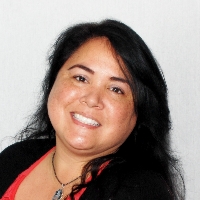
About Victoria
Victoria Scott is a Licensed Professional Counselor (LPC) with 11 years of experience. She practices from Mississippi and works with adults on common concerns such as stress, anxiety, depression, relationship problems, and anger.
Scott uses a person-centered style in sessions. She focuses on respectful, direct conversation and on understanding each person’s situation. She draws on her own life experience as a parent alongside her clinical background to shape practical plans for change.
Her caseload has included people coping with trauma and abuse, addictions, grief, sleep problems, and parenting strain. She also supports those facing career setbacks, bipolar mood challenges, ADHD, and sexual or intimacy-related concerns. LGBT issues, communication problems, and co-morbidity are part of the kinds of problems she sees.
Therapeutic tools she commonly uses include Acceptance and Commitment Therapy (ACT), Cognitive Behavioral Therapy (CBT), Dialectical Behavior Therapy (DBT), mindfulness practices, and client-centered work. Sessions tend to focus on real-life strategies - managing difficult emotions, changing unhelpful behaviors, and building small practical skills for day-to-day life.
Scott also notes experience with less common and more complex areas such as autism and Asperger Syndrome, intellectual disability, antisocial personality concerns, and BDSM, kink, and alternative sex culture. She has worked in agency settings and across a wide age range, and she frames treatment as collaborative planning with clear steps.
If someone wants to address anger, she will talk through triggers, coping skills, and ways to reduce escalation. The emphasis is on straightforward tools people can try between sessions and on shaping a treatment plan that fits the person's goals.
How her approaches fit online sessions
Acceptance and Commitment Therapy (ACT) focuses on helping people notice thoughts and feelings without getting stuck in them and then commit to actions that match their values. ACT can help with anger that comes from unhelpful thinking patterns or avoidance. Cognitive Behavioral Therapy (CBT) looks at the links between thoughts, feelings, and behaviors and teaches practical skills to change reaction patterns; it is useful for managing temper, anxiety, and mood symptoms. Dialectical Behavior Therapy (DBT) offers concrete skills in emotion regulation, distress tolerance, and interpersonal effectiveness that can reduce escalation and improve responses in heated moments.Choosing which approach to use is a collaborative process. The therapist will discuss goals, try methods that fit the person's needs, and adjust the plan as they learn what helps. Sessions combine discussion with simple exercises and at-home practice so people can test new skills in everyday situations.
Confirm the current session formats before booking. The practical advantages of remote sessions include easier fitting of appointments into a busy day, shorter check-ins when needed, and the option to avoid being on camera if that feels better. Licensed professionals can use these formats to work through behavior patterns, practice emotion-regulation skills, and plan steps to reduce anger in daily life.
Areas of expertise
Primary focus
Also works with
Additional focus areas
Therapeutic approaches
Experience
11+ years
Listed in
Mississippi, Colorado, North Carolina, Alabama, Louisiana, Georgia, Virginia, Texas, South Dakota, Arizona, Washington
Languages
English
Frequently asked questions
What kinds of problems does she help with?
She sees stress, anxiety, depression, anger, relationship issues, trauma, addictions, sleep problems, parenting strain, and related concerns.
What is her therapy style like?
She practices person-centered counseling with practical strategies. Sessions focus on respectful conversation and collaborative planning.
How much experience does she have?
She has 11 years of clinical experience working in various mental health settings.
What are her credentials and location?
She is a Licensed Professional Counselor (LPC) based in Mississippi and holds LPC credentials in multiple states.
Can sessions be held in languages other than English?
Sessions are offered in English.
Are international clients accepted?
Yes, she accepts international clients.
How are sessions scheduled and what formats are available?
Please confirm current session options before booking by checking the online therapy options; the profile notes completing a short matching questionnaire first.
How does cost and payment work?
Cost varies with location and sessions use a subscription model that can be canceled at any time.