- Client-Centered work
- Cognitive Behavioral tools
- Gottman Method ideas
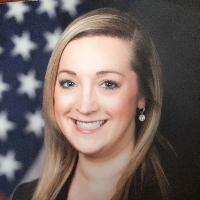
About Brittany
Brittany Bordonaro is a Licensed Independent Clinical Social Worker (LICSW) with 15 years of practice in mental health. She works with adults on issues such as relationship strain, family conflict, trauma and abuse, anxiety, depression, and anger. She also helps with self-esteem, grief, addictions, and parenting stress.
Brittany uses a practical, client-focused style in sessions. She listens for what matters most and then offers concrete strategies. That can mean problem-focused exercises, skills to manage stress and strong feelings, or ways to reshape upsetting thoughts that keep patterns repeating.
Her background includes work across community settings and military systems. She currently provides counseling within the U.S. military system, supporting service members and their dependents. That experience informs her work with issues like veteran and armed forces concerns, first responder stress, and the unique strains of military life.
In therapy she draws on Client-Centered approaches, Cognitive Behavioral Therapy, Motivational Interviewing, Narrative Therapy, and the Gottman Method. Sessions often combine talking through situations with hands-on tools - communication skills, behavioral experiments, and steps to break cycles of resentment or anger.
Brittany aims to identify immediate, usable steps people can take between sessions. She focuses on what feels achievable and measurable. That makes it easier to see progress and reduce the frustration that often fuels anger and relationship problems.
How Brittany uses therapy approaches online
Client-Centered Therapy focuses on listening, validation, and helping people identify their own goals. It is useful when someone needs to feel heard and to sort out what matters most in relationships and daily life.Cognitive Behavioral Therapy (CBT) looks at how thoughts, feelings, and behaviors interact. It offers practical techniques such as thought records and behavioral experiments to reduce anxiety, anger, and depressive patterns.
The Gottman Method provides concrete communication and conflict-management tools that can reduce recurring fights and rebuild trust in close relationships.
Choosing the right approach is part of the work. Brittany collaborates with each person to see which methods make sense based on goals, preferences, and what is happening now. She adjusts techniques over time when something isn’t helping.
Session formats are not listed in the biography, so confirm current session options before booking. Online work can make it easier to fit therapy into a busy week, shorten travel time, and allow brief check-ins when a quick strategy or check-in is needed. It also makes it simpler to practice communication or coping skills between sessions and bring real situations into the conversation for troubleshooting.
Areas of expertise
Primary focus
Also works with
Additional focus areas
Therapeutic approaches
Experience
15+ years
Listed in
District of Columbia
Languages
English
Frequently asked questions
What kinds of issues does she address?
Brittany works with relationship strain, family problems, trauma and abuse, self-esteem, stress, anxiety, depression, anger, addictions, grief, parenting and related concerns.
How would you describe her therapeutic style?
She uses a client-centered approach with practical strategies. That includes problem-focused exercises, goal setting, and skills practice drawn from CBT and solution-focused ideas.
How much experience does she have?
She has 15 years of experience providing direct mental health services in community and military settings.
What are her credentials and where does she practice?
She is a DC LICSW and practices in the District of Columbia.
Which languages are supported in sessions?
Sessions are offered in English.
Are international clients accepted?
She does not accept international clients at this time.
How are sessions billed and what does it cost?
Cost varies with location and sessions use a subscription that can be canceled at any time.
What is the first step to begin working together?
Select the See online therapy options button, complete a short matching questionnaire, and schedule a first session.